 Grip
GripMaking business relationships happen at the world's biggest events.
Grip is an AI-powered event platform for trade shows, conferences, and confex events: it matches the people who should meet, then helps them actually meet. I joined as Senior Product Designer in August 2023 and designed the design systems behind four of its products: Grip Manage, Grip Engage, the Grip mobile app and Grip Web Networking, with more products shipping on them. Along the way I rebuilt the mobile app and designed the tools organisers and exhibitors rely on out on the show floor.
- Role
- Sole designer
- Company
- Grip (grip.events)
- Scope
- Design systems across 4 products
- Products
- Grip Manage · Grip Engage · Grip mobile app · Grip Web Networking
- Timeline
- Aug 2023 to present
Overview
One designer, four products, one design system
By Grip's own count, it has powered more than 5,000 events and booked over 2 million meetings. Behind that is a sprawling product: Manage for registration and exhibitor portals, Engage for sessions, meetings, and matchmaking, a white-label mobile app and participant web app, lead retrieval, and a new agentic layer for organisers.
I was the sole designer, reporting to Lizzie Evans, our CPO. That meant I owned design end to end, from the first audit to the last edge case. I designed the design systems that Grip Manage, Grip Engage, the Grip mobile app and Grip Web Networking are built on, so each new product starts from the same components, and more products are shipping on them.
The challenge
A patchwork app on a busy show floor
The mobile app had grown one feature at a time. iOS and Android behaved differently, it lagged behind the web in places, and there was no single picture of what “right” looked like. On a show floor, with patchy venue Wi-Fi and a packed schedule, those gaps really hurt.
The organiser side had its own version of the problem: key jobs, like coordinating meeting schedules, were happening outside the product entirely, in external tools.
Approach
Audit, find the gaps, fix by priority
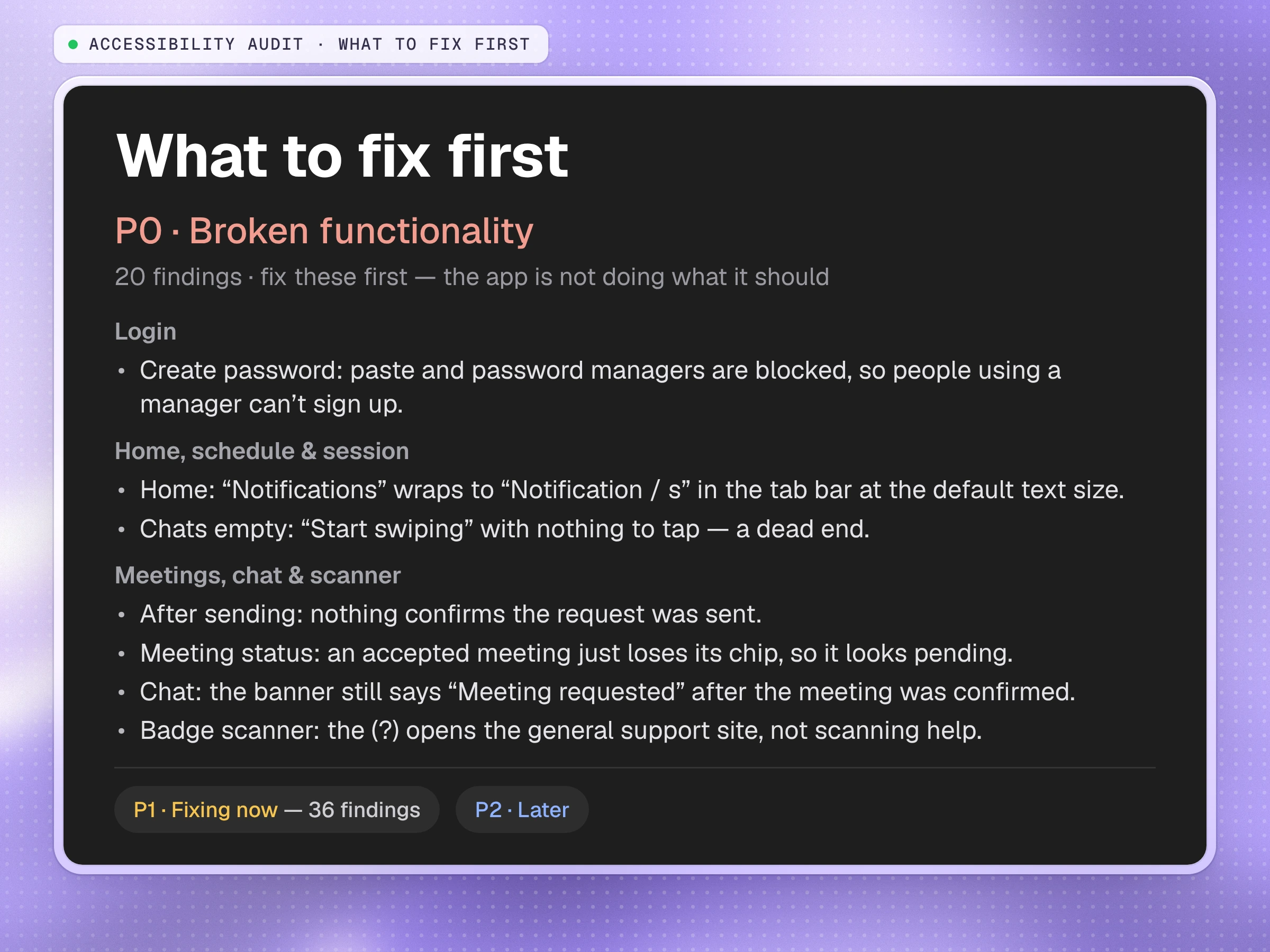
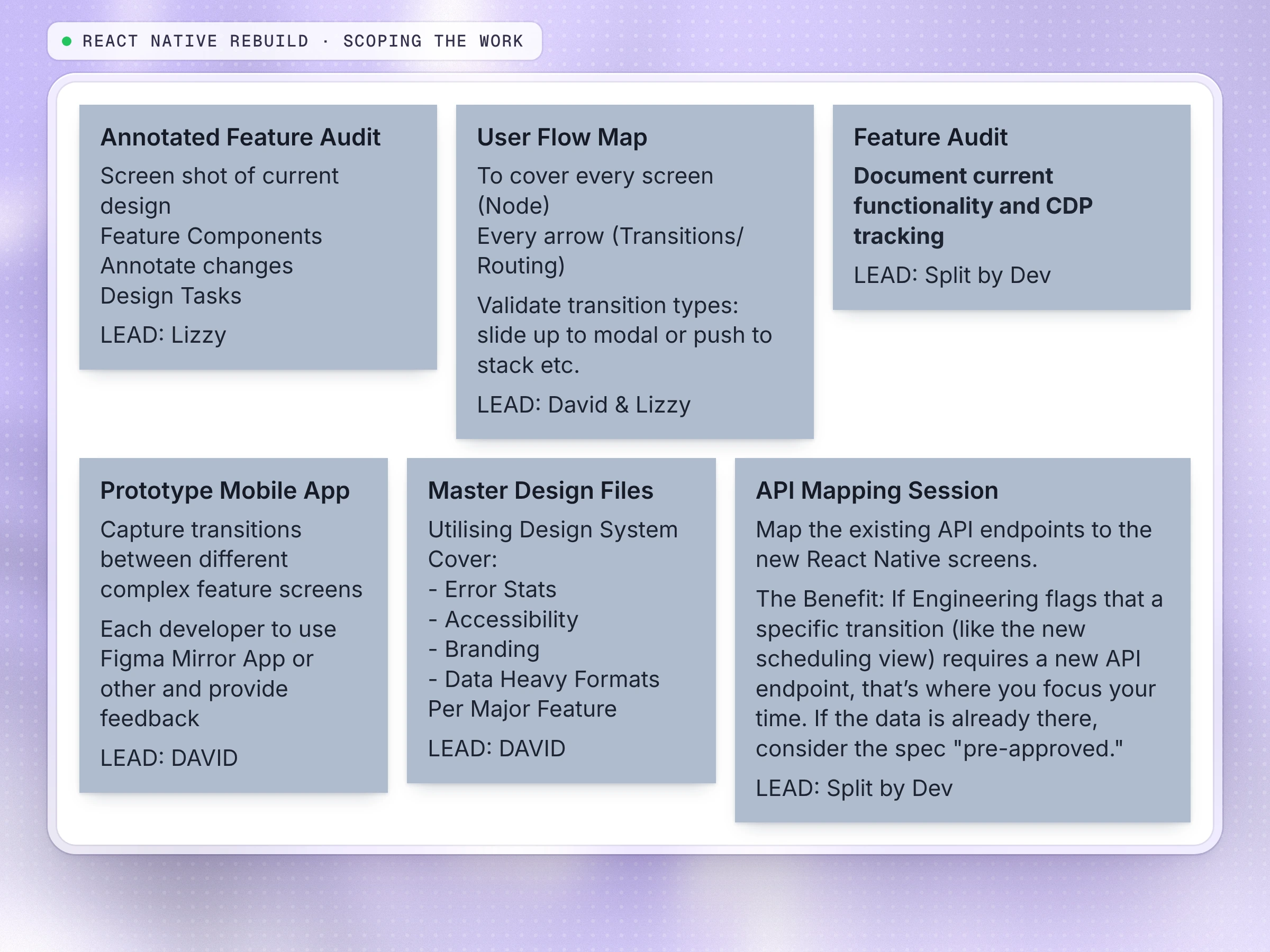
Every project starts the same way: audit what exists, find the gaps, then solve them in priority order. For the React Native rebuild, that meant rebuilding the app page by page, with a Mobile Master file as the single source of truth and a mobile design system behind it: 48px touch targets, 4.5:1 contrast, and documented components. An accessibility audit sorted every finding into what to fix first, and offline support keeps the app useful when the venue Wi-Fi isn't.
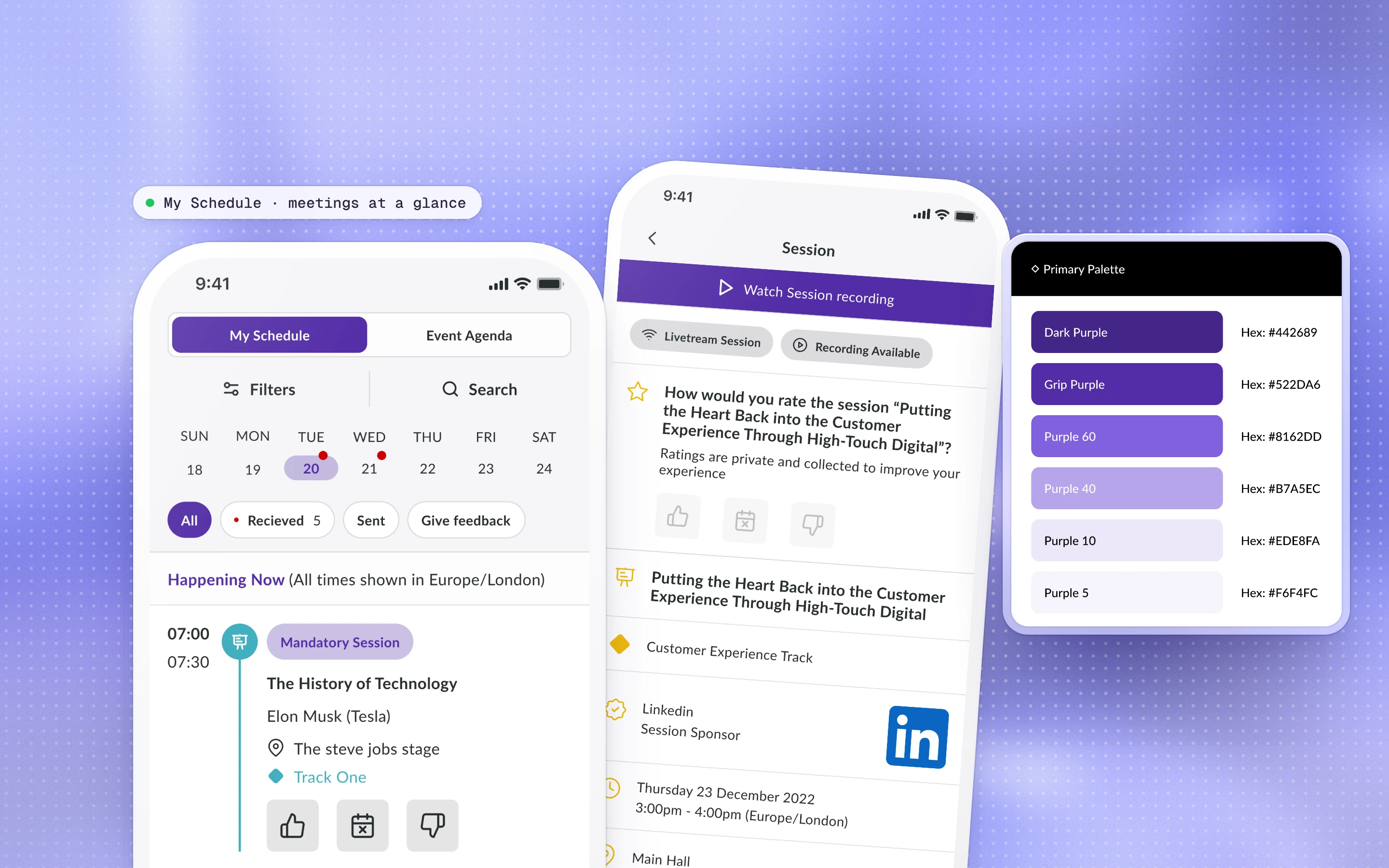
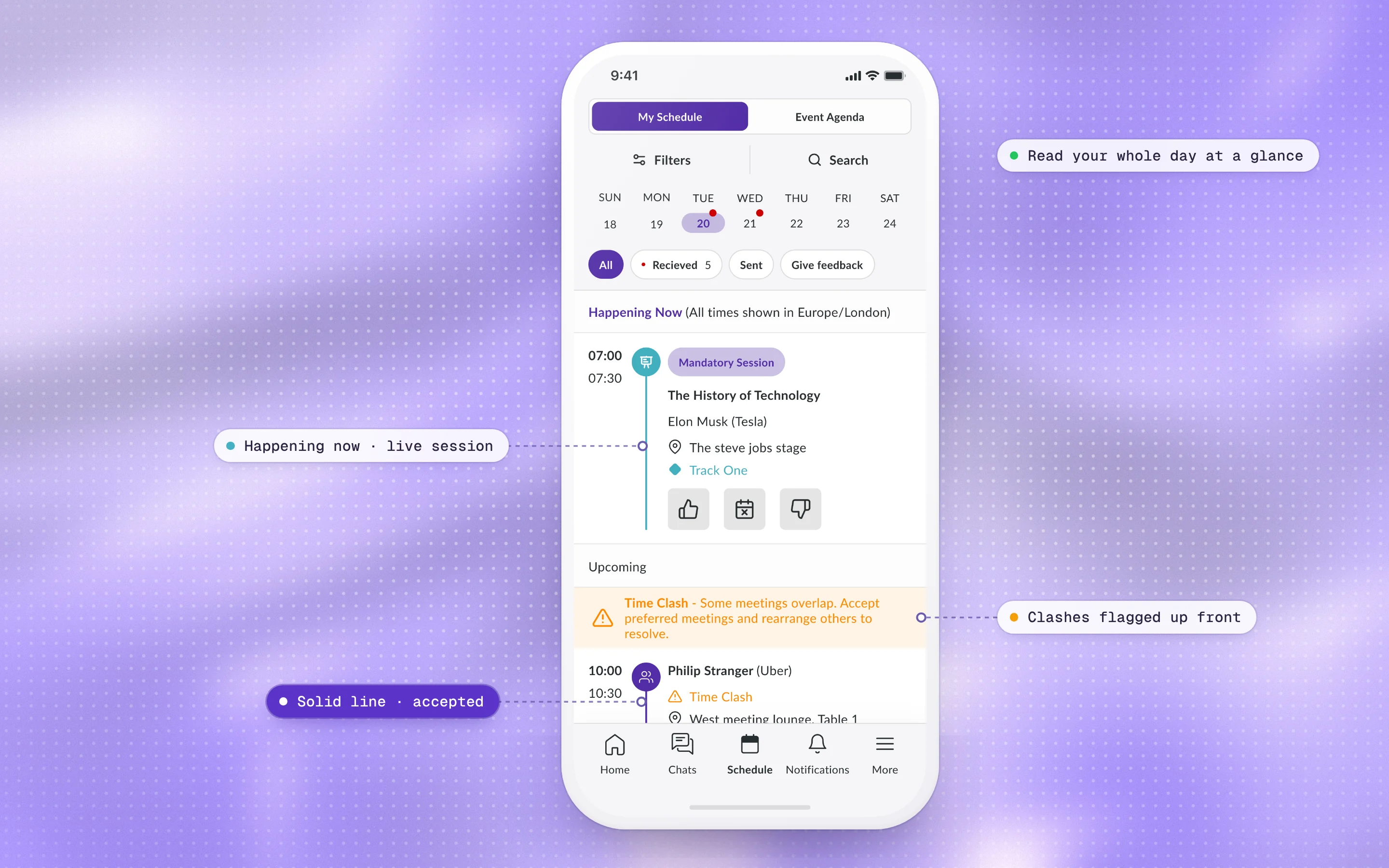
My favourite detail is the schedule. A vertical day-guide line runs through your day, solid for accepted meetings and dotted for pending ones, so you can read the whole day at a glance, time clashes included, before you walk into one.
The tools
Tools for the people running the show
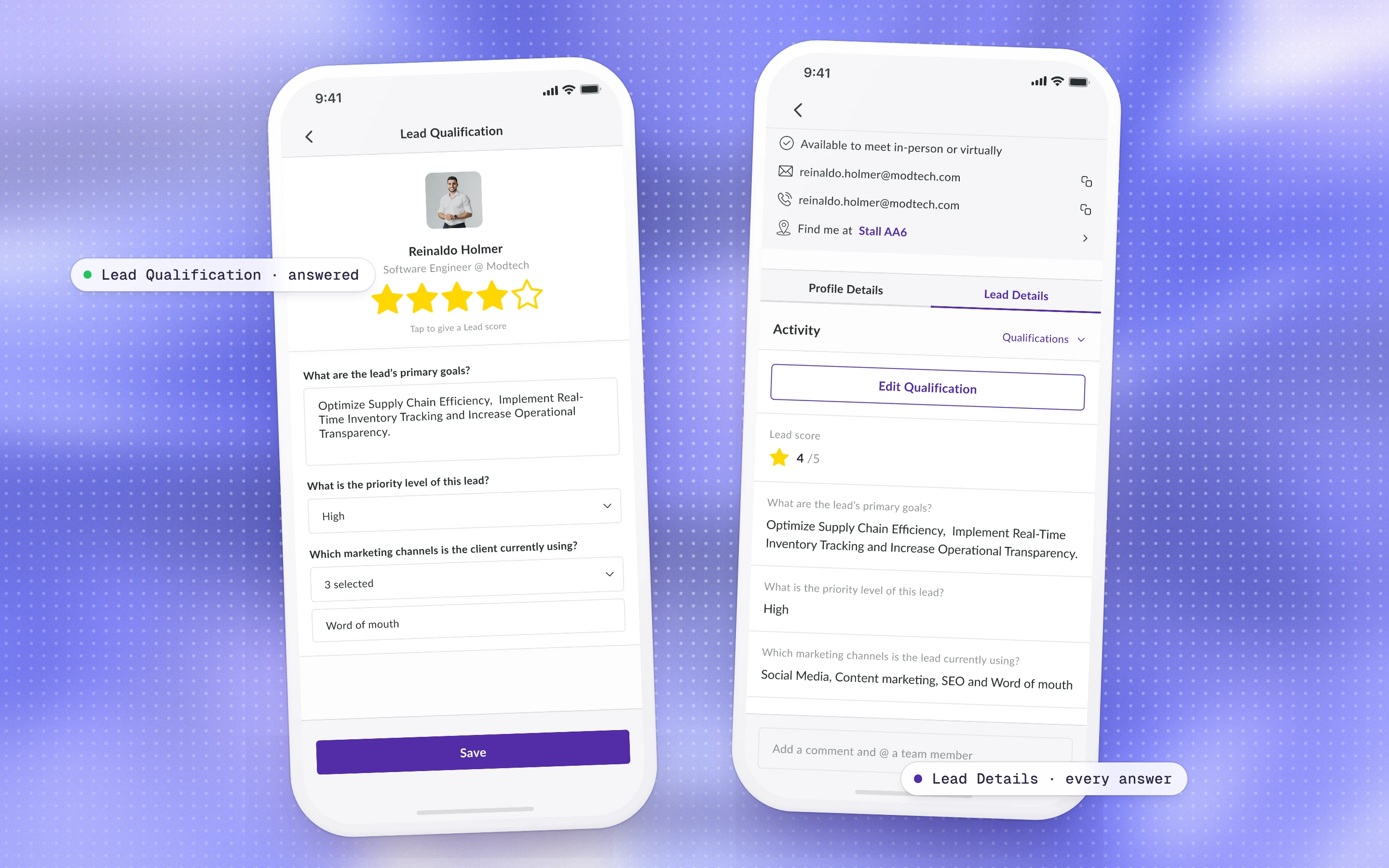
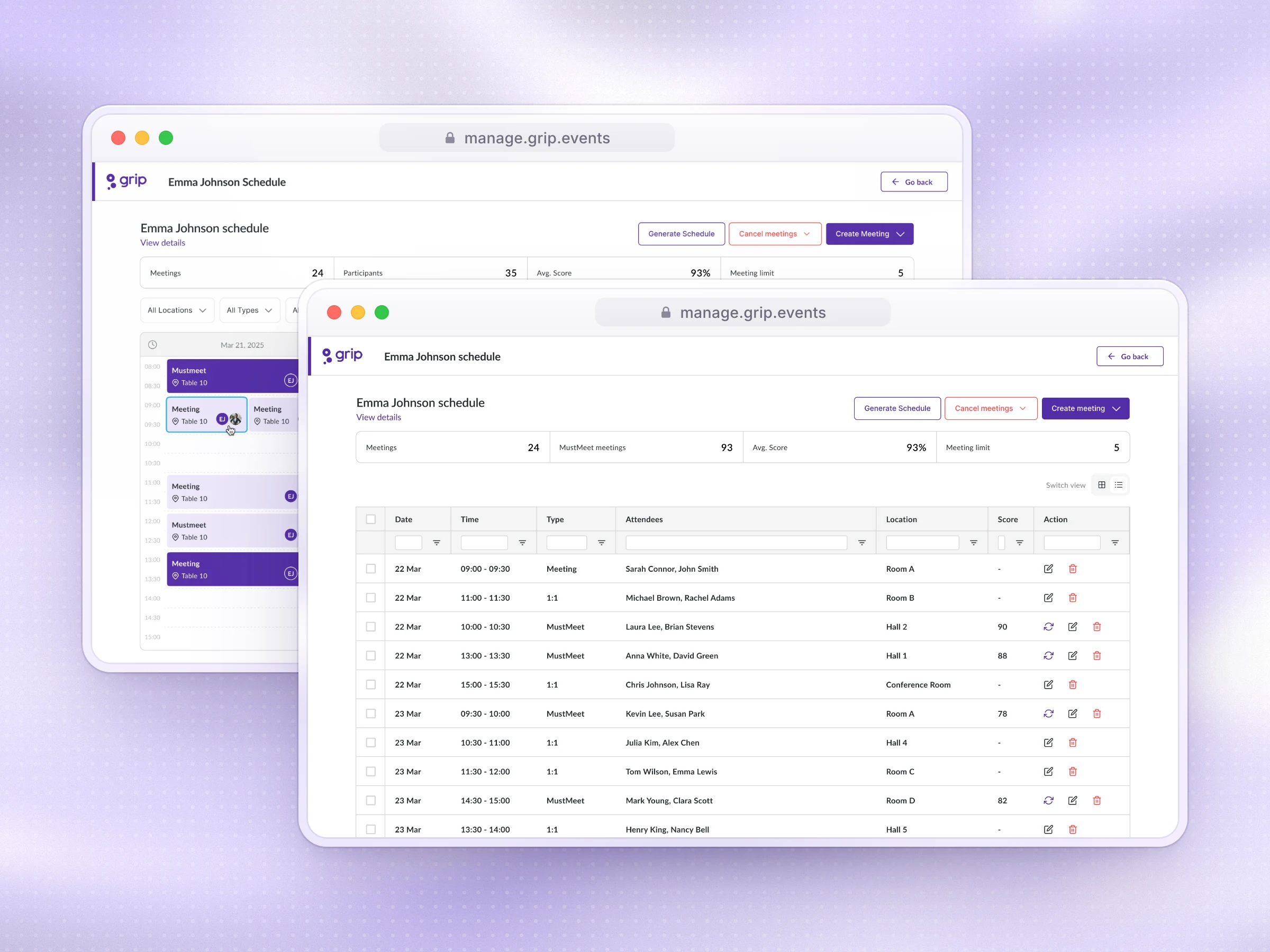
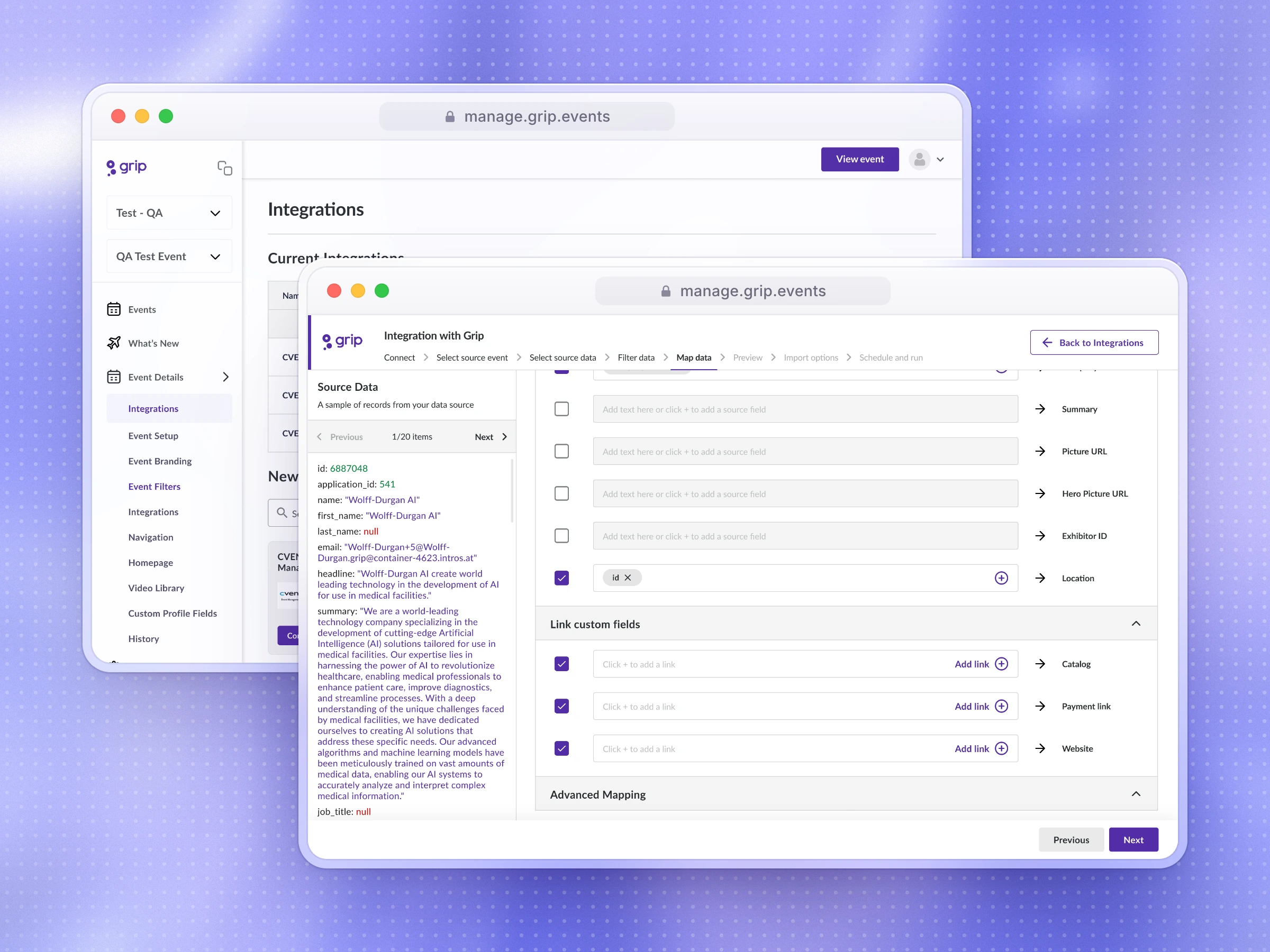
For organisers, I designed a meeting scheduler that brings coordination back into Grip: one page, two modes (normal and MustMeet), participant and company schedules, bulk actions, and meetings you can create straight from an empty calendar slot. A native integrations wizard connects registration providers like Swoogo and Bizzabo, with field mapping, custom fields, multi-language mapping, and run logs. Grip's own product deck says it can save 70% of your team's time.
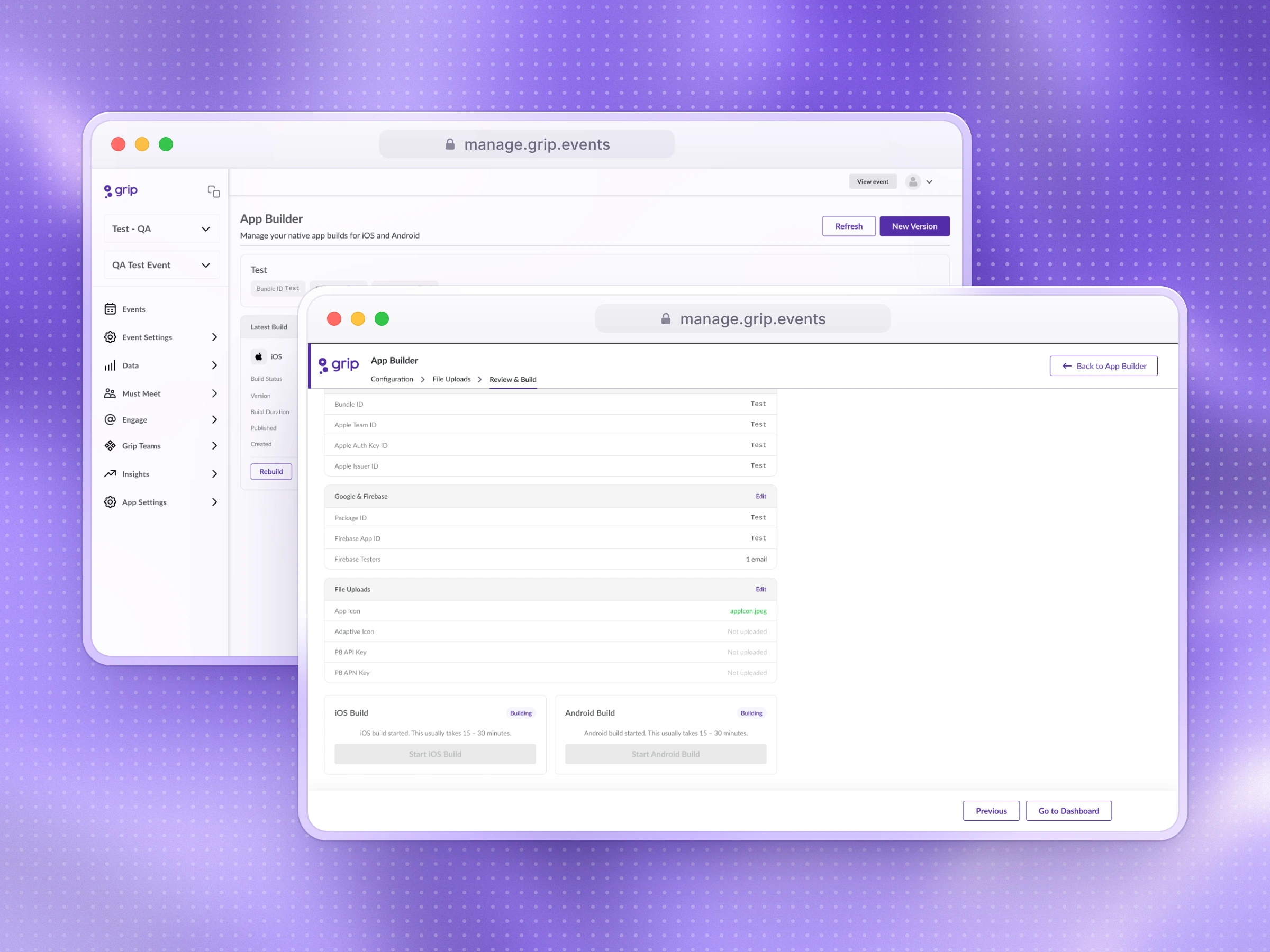
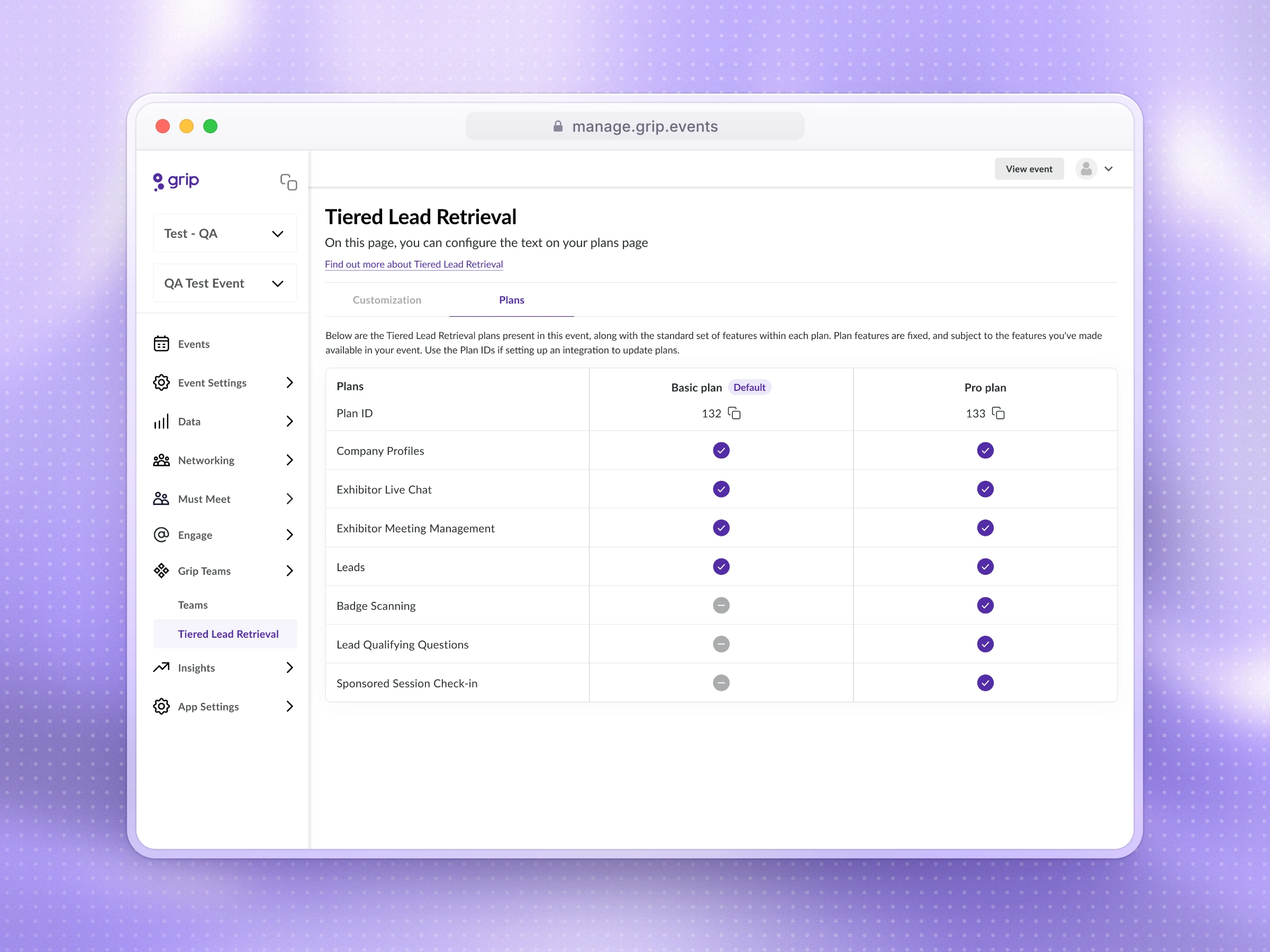
App Builder turns shipping a white-label native app into a guided wizard: configuration, file uploads, then review and build for iOS and Android, with clear started, failed, and completed states. And tiered lead retrieval gives exhibitors Basic and Pro plans, a builder for lead qualification questions, and qualifying, comments, and offline capture on mobile, with an upgrade path to Pro built in.
Outcome
Early praise, and still rolling out
The rebuilt app and new tools are rolling out now. Early customer feedback has been warm and engagement is up. Lead retrieval has landed especially well with exhibitors; as Flyn Roberts, Chief Commercial Officer at Messe Frankfurt Middle East, put it: “Being able to just scan a badge and get all the information that you want, then make notes about the lead and rate them is important to the exhibitors.”
Just as important, Grip now has a design system and a source of truth the whole team builds from, so every new feature starts on solid ground.